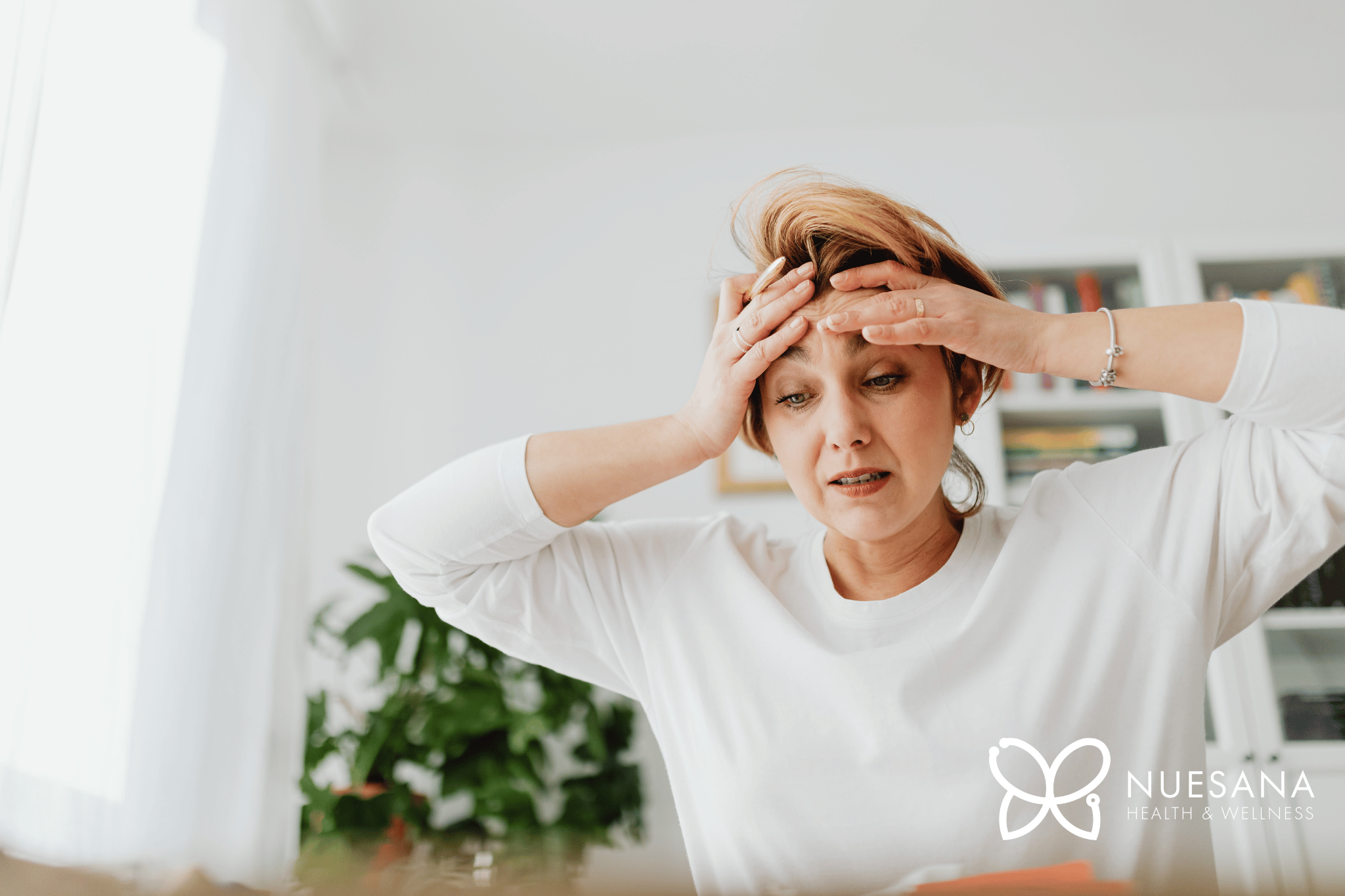
Why Menopause Symptoms Deserve Attention
Menopause symptoms can affect comfort, sleep, sexual health, and quality of life. Menopause itself is a normal biological transition, not a disease.
Therefore, that distinction matters.
However, symptoms that affect health or quality of life should not be dismissed simply because menopause is natural.
Poor Sleep Can Affect the Rest of Your Day
Night sweats and hot flashes can fragment sleep.
Repeated sleep disruption can contribute to daytime fatigue, difficulty concentrating, irritability, and reduced quality of life.
Addressing the underlying nighttime symptoms can therefore affect far more than sleep alone.
Vaginal and Urinary Symptoms May Persist
Some menopause symptoms eventually improve.
Genitourinary symptoms are different.
Declining estrogen can contribute to vaginal dryness, discomfort, painful intercourse, irritation, and urinary symptoms. Without appropriate treatment, these symptoms may persist or progress for some women.
Effective local and systemic treatment options are available depending on the individual situation.
Menopause Is Also a Time to Pay Attention to Bone Health
Bone loss accelerates around the menopause transition as estrogen levels decline.
This does not mean every woman needs hormone therapy.
It does mean midlife is an important time to consider factors affecting long-term bone health, including:
- Weight-bearing activity
- Strength training
- Nutrition
- Calcium and vitamin D intake
- Smoking
- Alcohol
- Family history
- Individual osteoporosis risk
Hormone therapy can help prevent bone loss in appropriately selected women, but treatment decisions should be individualized.
Cardiovascular Risk Changes With Age
Cardiovascular disease risk increases as women age.
Meanwhile, midlife is also a time to watch blood pressure, cholesterol, blood sugar, body composition, and physical activity.
Therefore, clinicians do not use hormone therapy as a general treatment to prevent heart disease in otherwise healthy women.
Instead, cardiovascular health should be assessed on its own merits.
Quality of Life Matters Too
Health is not defined only by whether a symptom is dangerous.
A woman who has slept poorly for two years, stopped exercising because she is exhausted, or avoids intimacy because intercourse has become painful is experiencing a legitimate health concern.
Treatment can be worthwhile even when the goal is simply to help you function and feel better.
You Have Options
Depending on your symptoms, health history, and preferences, tre
atment might include lifestyle changes, nonhormonal medications, vaginal therapy, or systemic hormone therapy.
The appropriate choice is different for every woman.
Frequently asked questions
Some symptoms improve over time, but the course varies. Vaginal and urinary symptoms may persist or worsen without appropriate treatment.
No. Treatment depends on symptom severity, health history, risk factors, preferences, and which therapies are appropriate for the individual.
Some symptoms improve with time, but others can persist. Vaginal and urinary symptoms, in particular, may continue without treatment for some women.
No. Treatment depends on symptom severity, health history, risk factors, preferences, and which therapies are appropriate for the individual.
Ready to better understand your symptoms? Schedule a personalized consultation with Nuesana Health & Wellness to discuss your health history, concerns, and potential next steps.